The Evolution of Glass Machine Manufacturers
The glass manufacturing industry has undergone a remarkable transformation over the past century, evolving from a labor-intensive craft to a sophisticated, technology-driven sector. As demand for glass products increases globally, the role of glass machine manufacturers has become crucial in meeting the diverse needs of various industries, including construction, automotive, and home appliances. This evolution has been characterized by significant innovations, shifts in production processes, and a focus on sustainability.
1. Historical Overview of Glass Machinery
Historically, glass making involved manual techniques where artisans crafted glass using rudimentary tools. The introduction of machinery in the early 20th century marked a pivotal shift, leading to mass production capabilities. Early machines included basic cutting and shaping tools, which laid the groundwork for more advanced technologies. Companies began investing in mechanization to enhance efficiency, resulting in improved quality and reduced production times.
2. Key Innovations in Glass Manufacturing
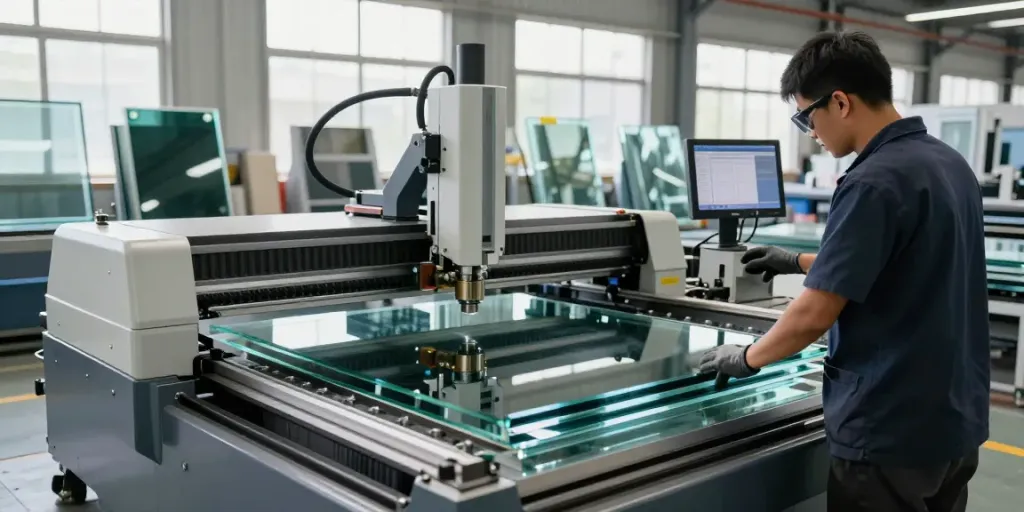
Throughout the years, various innovations have reshaped glass manufacturing. The advent of computer numerical control (CNC) machines redefined precision cutting and shaping. Automating processes not only minimized human error but also allowed for intricate designs that were previously unattainable. Additionally, advancements in laser technology have facilitated high-precision applications, enabling detailed etching and cutting that are essential in industries like architecture and automotive.
3. Trends Shaping the Glass Machine Industry in 2026
Looking ahead to 2026, several trends are expected to shape the glass machine industry. The integration of artificial intelligence (AI) into manufacturing processes will enhance operational efficiencies and predictive maintenance. Furthermore, as environmental concerns grow, manufacturers are increasingly prioritizing eco-friendly production methods. The demand for smart glass technologies, which can adapt to environmental changes, is also expected to drive innovation in the coming years.
Essential Types of Glass Machines
1. Overview of Insulating Glass Production Lines
Insulating glass production lines are critical in the fabrication of energy-efficient windows. These systems combine multiple glass panes with insulating spacers to enhance thermal performance. The automation of this process allows for rapid production while maintaining quality control. As energy efficiency becomes a priority for consumers, the demand for sophisticated insulating glass solutions continues to rise.
2. Significance of Glass Cutting and Edge Polishing Machines
Glass cutting and edge polishing machines are vital components of the glass manufacturing process. Cutting machines employ advanced technologies to ensure precision and minimize waste, while edge polishing machines provide a smooth finish that is crucial for safety and aesthetics. Together, these machines are essential for producing high-quality glass products used in various applications.
3. Advanced Glass Drilling Techniques and Machinery
Drilling technology has advanced significantly, with new machinery capable of executing precise holes in glass without compromising structural integrity. These machines employ diamond-tipped drills and automated systems to enhance speed and accuracy. The ability to drill holes in various sizes and positions on glass panels expands design possibilities for architects and designers.
Choosing the Right Glass Machine Manufacturer
1. Factors to Consider When Selecting Suppliers
Selecting the right glass machine manufacturer is crucial for business success. Key factors to consider include the manufacturer’s reputation, the range of machines offered, and their compliance with industry standards. Furthermore, evaluating the technology used in their machines can provide insights into their commitment to innovation and efficiency.
2. The Importance of Technical Support and Service
Technical support is vital in the glass manufacturing industry. Reliable manufacturers offer comprehensive service packages that include installation, training, and ongoing maintenance. A strong support system ensures minimal downtime and sustained productivity, essential for companies operating under tight deadlines.
3. Evaluating Quality Certifications and Standards
Quality certifications from recognized industry bodies indicate a manufacturer’s commitment to producing reliable and safe machinery. When selecting a supplier, it is important to check for certifications that comply with international safety and quality standards. This assurance can significantly impact the long-term performance of the equipment and the safety of operators.
Challenges Facing Glass Machine Manufacturers
1. Navigating Supply Chain Disruptions
Global supply chain disruptions have posed significant challenges to glass machine manufacturers. Factors such as geopolitical tensions, natural disasters, and pandemics can impact the availability of materials and components. Developing robust supply chain strategies and building relationships with multiple suppliers can help mitigate these risks.
2. Addressing Environmental Regulations
As regulations surrounding environmental sustainability tighten, glass machine manufacturers face the challenge of adapting their processes to comply. Investing in eco-friendly technologies, such as energy-efficient machinery and recycling systems, can not only ensure compliance but also enhance brand reputation.
3. Overcoming Technological Adaptation Barriers
Technological advancements can create barriers for manufacturers that are slow to adapt. Investing in training for employees and continuous research and development can help companies stay competitive. Embracing new technologies, such as automation and AI, can greatly enhance operational efficiencies.
Future Directions for Glass Machine Manufacturing
1. The Impact of Automation and AI on Glass Production
Automation and AI are set to revolutionize glass production by enhancing efficiency and reducing costs. With smart machinery capable of self-diagnosing issues and optimizing workflows, manufacturers can significantly boost productivity while minimizing waste. This shift towards automation is expected to play a crucial role in meeting the increasing demand for glass products.
2. Sustainable Practices in Glass Machine Manufacturing
Emphasizing sustainability in manufacturing practices is becoming a necessity rather than an option. Implementing energy-efficient machinery, utilizing recyclable materials, and reducing waste are practices that resonate well with environmentally conscious consumers. Manufacturers who adopt these practices are likely to gain a competitive edge in the market.
3. Predictions for Market Growth and Consumer Needs in 2026
The glass machine manufacturing market is projected to experience significant growth through 2026, driven by increased demand for customized glass products and sustainable solutions. As consumers become more environmentally aware, manufacturers must adapt their offerings to align with these needs, focusing on energy efficiency and innovative designs.
What are the leading glass machine manufacturers?
Leading manufacturers in the glass machinery space include Eworld Machinery, known for their broad range of glass processing machines, and other notable brands that specialize in innovative solutions tailored to various market segments.
How do I select the best glass machine supplier?
Selecting the best supplier involves thorough research on their reputation, product offerings, support services, and compliance with industry standards. Engaging with existing customers can provide invaluable insights into the supplier’s reliability and service quality.
What innovations can we expect in glass manufacturing?
Future innovations in glass manufacturing will likely include advancements in smart glass technologies, enhanced automation, and eco-friendly production techniques. These innovations aim to meet the growing consumer demand for sustainable and customizable glass solutions.
Are there eco-friendly options in glass machinery?
Yes, many glass machine manufacturers are now offering eco-friendly machinery that emphasizes energy efficiency and minimizes waste. Investing in these options can not only benefit the environment but also enhance a company’s marketability.
What are the costs associated with glass manufacturing equipment?
The costs of glass manufacturing equipment can vary widely based on the type of machinery, level of automation, and specifications. Companies should consider the long-term benefits of investing in high-quality, efficient machines that can streamline production processes.