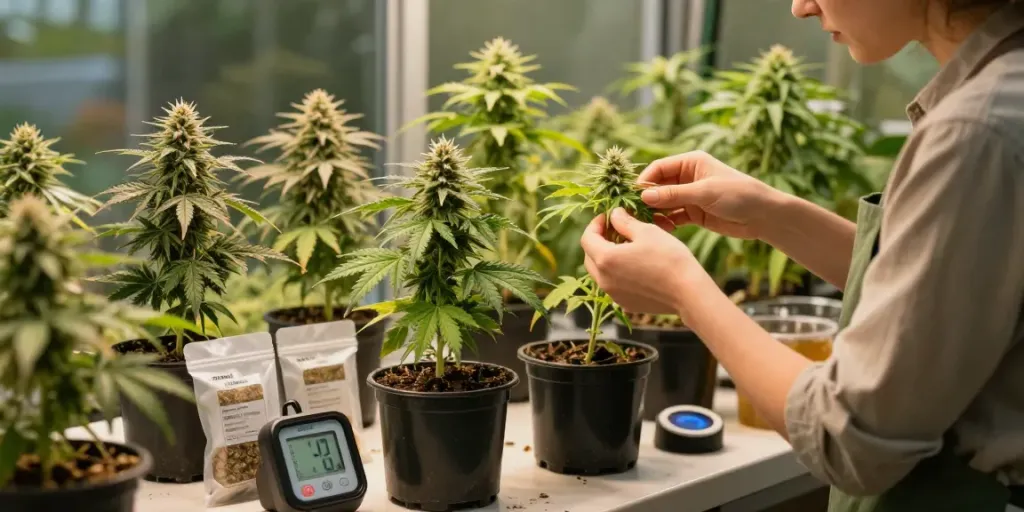
Understanding Feminized Seeds: What Are They?
Feminized seeds have revolutionized the cannabis cultivation landscape, offering growers a reliable solution to the age-old problem of identifying male plants. Unlike traditional seeds that have a 50% chance of producing either male or female plants, feminized seeds are engineered to produce predominantly female plants, enabling cultivators to maximize their yields and simplify the growing process. As the demand for cannabis continues to rise, understanding the nuances of feminized seeds becomes increasingly crucial for both novice and experienced growers alike.
Definition of Feminized Seeds
Feminized seeds are specially bred cannabis seeds that are designed to produce female cannabis plants almost exclusively. The primary goal of these seeds is to eliminate the uncertainty associated with traditional seed types, which can result in the growth of unwanted male plants. Male cannabis plants do not produce the buds that growers seek for consumption; instead, they serve solely to pollinate female plants. By focusing on producing feminized strains, cultivators can ensure that their entire crop yields the desired flowers.
How Are Feminized Seeds Made?
The process of creating feminized seeds involves a few intricate steps. Typically, a breeder uses a female plant, genetically coaxing it to produce pollen. This is often achieved through stress techniques or hormonal treatments. The pollen from this female plant is then used to fertilize another female plant, resulting in seeds that carry predominantly female genetic traits, ensuring a high likelihood of female offspring.
The Importance of Feminized Genetics
Feminized genetics are vital for growers who want to maximize their production without dealing with the challenges of sexing plants. The high female-to-male ratio in feminized seeds means that growers can decrease the number of plants they need to manage, reducing labor and resources while increasing the potential for a successful yield.
Benefits of Choosing Feminized Seeds
Maximizing Your Yield with Female Plants
By opting for feminized seeds, growers can significantly increase their yield. Since only female plants are capable of producing the high-resin flowers that are sought after in cannabis cultivation, utilizing feminized seeds ensures that all plants contribute to the harvest.
Simplifying the Growing Process
Feminized seeds simplify the cultivation process by eliminating the need to identify and remove male plants, which can be time-consuming and labor-intensive. This simplification allows growers, particularly beginners, to focus on nurturing their plants without the worry of discovering and disposing of males during the growing cycle.
Reducing Space and Resource Wastage
Using feminized seeds also helps in optimizing the use of space and resources in cultivation. Growers can dedicate their available area and resources solely to female plants, maximizing the efficiency of their growing operation. This targeted approach not only saves space but also reduces costs related to nutrients, water, and energy.
Feminized vs. Regular vs. Autoflower Seeds
Key Differences Between Seed Types
There are three primary types of cannabis seeds that growers often consider: feminized, regular, and autoflower. Feminized seeds, as discussed, are designed to yield predominantly female plants. Regular seeds have a roughly equal chance of producing male and female plants, which necessitates plant sexing. Autoflower seeds, on the other hand, will flower automatically after a certain period, regardless of light cycles, and can be either regular or feminized.
Growth Characteristics and Cultivation Methods
Each seed type has distinct growth characteristics. Feminized seeds tend to require the same care as regular seeds regarding light, water, and nutrients. However, autoflower seeds can be beneficial for growers looking for quicker harvests, as they often complete their life cycle faster. Understanding these differences allows growers to select the most suitable seeds based on their growing conditions and goals.
Choosing the Right Seed for Your Needs
Selecting the right type of cannabis seed hinges on several factors, including the desired growing environment, the grower's skill level, and the specific outcome sought from the harvest. For those focused on maximizing yield and quality, feminized seeds are frequently the ideal choice.
Common Misconceptions About Feminized Seeds
Do Feminized Seeds Guarantee Female Plants?
While feminized seeds are engineered to produce female plants, they are not infallible. Typically, they guarantee a 99% chance of producing female plants, meaning there remains a small risk of male plants appearing. This aspect is essential for growers to consider as they plan their cultivation strategies.
Are There Any Drawbacks?
There are some potential drawbacks to using feminized seeds. Because all plants are genetically similar, there may be less genetic variation, potentially limiting a grower's ability to adapt or breed new strains. Additionally, feminized seeds can be more expensive compared to regular seeds, which may deter budget-conscious growers.
Understanding Breeder Claims and Genetic Expectations
It's crucial to approach breeder claims with a critical mindset. While many reputable breeders provide detailed genetic information and expectations, the actual results can vary based on growing conditions and techniques. Understanding these nuances is vital for anyone looking to achieve specific outcomes with their cannabis cultivation.
Best Practices for Growing Feminized Seeds
Optimal Conditions for Successful Growth
To yield the best results, growers should create optimal conditions for their feminized seeds. This includes maintaining proper temperature and humidity levels, ensuring adequate airflow, and providing sufficient light. A controlled environment encourages robust growth and flowering, which is essential for achieving high-quality buds.
Nutrient Requirements and Watering Techniques
Feminized plants have specific nutrient needs that must be met to maximize growth and yield. Balancing macronutrients like nitrogen, phosphorus, and potassium, as well as essential micronutrients, is crucial. Additionally, understanding when and how much to water is vital to avoid issues like over or under-watering, which can impact plant health.
Monitoring and Adjusting Growth Parameters
Regular monitoring of growth parameters such as pH levels, nutrient deficiencies, and pest issues is essential for successful cultivation. Adjusting these parameters based on observations can help prevent issues that could compromise plant health and productivity.
What are the advantages of feminized seeds?
Feminized seeds offer several key advantages: they maximize yields, reduce space and resource requirements, and simplify the cultivation process by eliminating male plants.
How to choose the best feminized seed strains?
Choosing the best feminized seed strains involves considering factors such as the desired effects (e.g., THC/CBD levels), growth environment, and personal preferences for flavor and aroma. Researching strain reviews and breeder information can help make informed decisions.
Are feminized seeds suitable for outdoor growing?
Yes, feminized seeds are suitable for outdoor growing, provided the climate is conducive to cannabis cultivation. Growers should consider local laws, as well as the specific environmental conditions that can affect plant growth and flowering.
How should feminized seeds be germinated?
Germinating feminized seeds is similar to the process used for regular seeds. Common methods include the paper towel technique or direct planting in soil. It’s important to maintain moisture and warmth to encourage successful germination.
What legal considerations should I know about feminized seeds?
Legal considerations for feminized seeds vary by location. Growers should always check local laws concerning the purchase, germination, and cultivation of cannabis seeds to ensure compliance. Understanding these regulations helps avoid potential legal complications.