
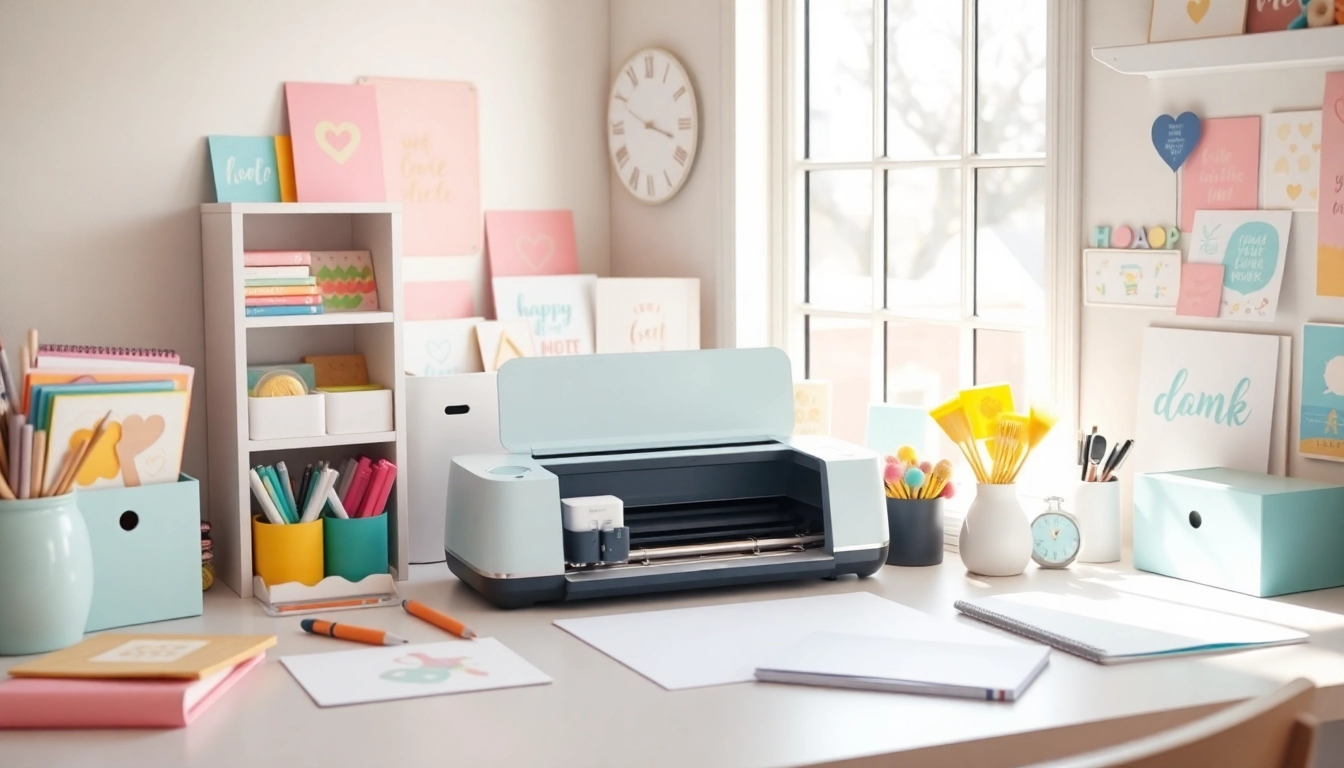
Understanding Cricut Machines
For those diving into the world of crafting, a Cricut machine can open up a realm of creativity and possibilities. Whether you’re looking to create custom designs, personalize gifts, or explore new hobbies, understanding the various Cricut machines is essential for beginners. By familiarizing yourself with the features and functions of each model, you’ll be better equipped to select the right machine that meets your crafting needs and goals.
Overview of Different Cricut Models
Cricut offers a range of machines tailored for different crafting needs. The most popular models include the Cricut Maker, Cricut Explore Air 2, and Cricut Joy. Each machine brings unique capabilities to the table:
- Cricut Maker: Renowned for its versatility, this model can cut a wide variety of materials, from paper to fabric, and even thicker materials like balsa wood.
- Cricut Explore Air 2: Ideal for vinyl, iron-on, and cardstock, this machine is perfect for beginners who want to create quick, professional-looking projects.
- Cricut Joy: The smallest machine, designed for quick and easy projects, is perfect for making labels and cards with minimal setup.
Choosing the Right Cricut Machine for Beginners
When selecting a Cricut machine, consider your crafting goals and budget. For beginners, the Cricut Explore Air 2 is often recommended due to its affordability and ease of use. It’s a great starting point for learning the basics of cutting and crafting. The Cricut for beginners guide offers comprehensive insights into the best options available.
Key Features Beginners Should Know
Understanding the key features of a Cricut machine can help you get the most out of your crafting experience. Some essential features include:
- Bluetooth Connectivity: Allows wireless connection to your computer or mobile device for easy access to Cricut Design Space.
- Adaptive Tool System: Enables the use of various blades and tools for cutting, writing, and scoring.
- Easy-To-Use Interface: Most Cricut machines come with a simple interface that makes it easy for beginners to navigate and start projects.
Getting Started with Cricut for Beginners
Once you have chosen the right Cricut machine, it’s time to set it up and get familiar with the Cricut ecosystem. Starting your crafting journey involves understanding how to set up your machine, install the necessary software, and gather essential tools and materials.
Setting Up Your Cricut Machine
Setting up your Cricut machine is a straightforward process. Begin by unboxing your machine and setting it on a stable, flat surface. Follow the manufacturer’s instructions to plug in the device and turn it on. Once powered up, connect your Cricut machine to your computer or mobile device via Bluetooth or USB, depending on the model. From there, you’ll be ready to install the Cricut Design Space software.
Installing Cricut Design Space: A Step-by-Step Guide
Cricut Design Space is the software that allows you to create and customize your projects. Here’s how to install it:
- Visit the Cricut website and navigate to the Design Space section.
- Download the software compatible with your device (Windows, macOS, iOS, or Android).
- Follow the installation prompts to set it up on your computer or device.
- Create a Cricut account to access various design options and features.
Basic Tools and Materials Every Beginner Needs
Before embarking on your Cricut projects, gather the necessary tools and materials. As a beginner, consider having the following:
- Cutting mats: These mats come in different grip levels for various materials.
- Tools: Basic tools include a weeder, scraper, and scissors for precise handling of your materials.
- Variety of materials: Start with cardstock, vinyl, and transfer tape to learn different techniques.
Creating Your First Cricut Projects
With your machine set up and tools ready, it’s time to embark on your first crafting projects. The initial phase of using a Cricut machine can be exciting and overwhelming, but simple and structured projects can help ease the learning curve.
Simple Project Ideas for Beginners
Here are a few easy projects that are perfect for beginners:
- Custom Vinyl Decals: Create personalized stickers for water bottles, laptops, or phone cases.
- Greeting Cards: Design and cut unique cards for any occasion using cardstock.
- Simple Iron-On Designs: Personalize clothing or tote bags with heat transfer vinyl.
Understanding Cutting Materials: What to Use?
As you begin crafting, it’s crucial to understand the diverse materials your Cricut can cut. Here’s a breakdown:
- Paper and Cardstock: Ideal for creating intricate designs.
- Vinyl: Perfect for home decor, labels, and crafts.
- Fabric: Can be cut with the Cricut Maker for sewing projects.
Tips for Designing Your Own Custom Projects
Designing your own projects opens endless possibilities. Remember these tips:
- Start Simple: Avoid complex designs initially; focus on learning basic shapes and text.
- Utilize Templates: Leverage built-in templates in Cricut Design Space for inspiration.
- Experiment: Don’t hesitate to try different materials and settings to see what works best.
Common Challenges and Solutions
As with any new hobby, beginners may face challenges when learning how to use their Cricut machines. Addressing these common issues can significantly enhance your crafting experience.
Addressing Common Cricut Mistakes
Some typical mistakes beginners make include:
- Incorrect Material Settings: Always double-check your material settings before cutting.
- Not Using a Mat: Failing to place your material on a mat can lead to poor cuts.
- Neglecting Tool Maintenance: Regularly change blades and maintain your tools for optimal performance.
How to Troubleshoot Cutting Issues
If you encounter cutting issues, here are troubleshooting steps:
- Make sure the mat is clean and free from debris.
- Verify that the blade is securely in place and not dull.
- Check that the machine is calibrated correctly through the software settings.
Resources for Overcoming Beginner Challenges
Many resources can assist beginners in overcoming challenges they encounter:
- Cricut Community: Engage with other crafters on social media platforms or forums.
- Tutorials: Watch video tutorials for visual guidance on specific projects or techniques.
- User Manuals: Refer to the user manual for your specific Cricut model for detailed instructions.
Future Trends in Cricut Crafting
As technology evolves, so does the world of crafting. Here are some trends to look forward to in Cricut crafting in 2026 and beyond.
Innovative Techniques for 2026 and Beyond
Emerging techniques will continue to make crafting more accessible and fun. Some potential trends include:
- 3D Printing Integration: Combining 3D printing with Cricut projects for unique designs.
- Augmented Reality Features: Incorporating AR for interactive crafting experiences.
- Sustainable Materials: Using eco-friendly materials in Cricut projects will become more popular.
Emerging Tools and Accessories for Beginners
As the Cricut community grows, so does the variety of accessories. Keep an eye out for:
- Advanced Tool Sets: New tools designed for solving specific crafting challenges.
- Customized Cutting Mats: Mats that accommodate specific materials and project types.
- Software Upgrades: Enhanced features in Cricut Design Space for easier project management.
Community Engagement: Learning from Fellow Crafters
Joining crafting communities provides a wealth of knowledge and support. Engaging with fellow crafters can lead to new ideas, collaboration, and troubleshooting tips that enhance your Cricut experience.
In conclusion, starting your journey with Cricut involves understanding your machine, selecting the right projects, and learning from both successes and challenges. With creativity and practice, you’ll be able to unleash your artistic potential and transform your crafting ideas into reality.