The Basics of THC-Free CBD Oil
What is THC-Free CBD Oil?
THC-free CBD oil is a cannabis-derived extract that contains cannabidiol (CBD) without any detectable levels of tetrahydrocannabinol (THC), the psychoactive compound found in cannabis. This makes THC-free CBD oil a popular choice for individuals seeking the potential therapeutic effects of CBD without the intoxicating effects that accompany THC. Therefore, users can enjoy a variety of health benefits without altering their mental state or facing legal hurdles associated with THC consumption. For many, this representation of cannabis is appealing, as it bridges the gap between natural wellness and a non-intoxicating experience. To understand its properties further, THC-free CBD oil is often compared to other forms of CBD oils, which is essential in recognizing its unique benefits.
How THC-Free CBD Oil is Extracted
The extraction of THC-free CBD oil involves sophisticated processes that ensure the removal of THC while retaining other beneficial compounds found in the hemp plant. Two of the most common extraction methods include CO2 extraction and solvent extraction.
CO2 extraction is the most favored method among producers due to its efficiency and safety. This method utilizes pressurized carbon dioxide to isolate CBD from the plant material. The process entails heating the CO2, then using it to separate cannabinoids and terpenes from the plant. The final result is a clean, potent extract without residual solvents or contaminants.
On the other hand, solvent extraction employs solvents such as ethanol or butane to extract CBD. While this method is less expensive, it poses a higher risk of impurities if not executed properly. After extraction, the product often undergoes further refinement processes, such as winterization, to remove unwanted compounds, including any residual THC.
Key Differences Between THC-Free and Full-Spectrum Oils
Understanding the difference between THC-free and full-spectrum oils is crucial for consumers. Full-spectrum oils contain a variety of cannabinoids, including trace amounts of THC (usually less than 0.3%), along with terpenes and flavonoids that enhance the overall therapeutic effects through the entourage effect. This synergy is believed to boost the efficacy of CBD, allowing it to perform better than when isolated.
In contrast, THC-free oils are focused solely on providing therapeutic benefits of CBD without THC. This distinction is essential for individuals subjected to drug testing or those who seek to avoid any psychoactive effects altogether. Additionally, while some people may prefer the entourage effect provided by full-spectrum oils, others may find the clarity and safety of THC-free options more appealing. Both oil types have their merits, and personal preferences often guide consumers in their choice.
Potential Health Benefits of THC-Free CBD Oil
Relief from Anxiety and Stress
Numerous studies indicate that CBD may possess anxiolytic properties, making it a potential ally in managing anxiety and stress. THC-free CBD oil allows individuals concerned about THC’s psychoactive effects to benefit from these properties without feeling intoxicated. Research has shown that CBD interacts with serotonin receptors in the brain, which are essential in regulating mood and anxiety. This interaction may help decrease anxiety levels and contribute to increased feelings of calm and relaxation.
For example, a clinical trial indicated that individuals using CBD reported significantly lower anxiety levels. By integrating THC-free CBD oil into their daily routine, individuals may find a natural solution to combat stress-related issues without adverse effects.
Support for Pain Management
For those suffering from chronic pain conditions, THC-free CBD oil may serve as a valuable addition to their pain management regimen. Research suggests that CBD can reduce pain and inflammation by interacting with endocannabinoid receptors in the body. This modulation may help alleviate symptoms associated with various conditions, including arthritis, fibromyalgia, and other inflammatory disorders.
Individuals utilizing THC-free CBD oil often experience improvement in their overall quality of life as they manage pain more effectively. Whether used in conjunction with other treatments or on its own, it provides an innovative approach to pain relief with a lower risk of dependency compared to traditional pain medications.
Improvement of Sleep Quality
Inadequate sleep affects many individuals and can lead to a range of health issues, including diminished performance, increased stress levels, and various chronic conditions. THC-free CBD oil has gained attention for its potential to improve sleep quality by addressing underlying issues such as anxiety and pain that may interfere with rest. Studies suggest that CBD may help regulate sleep patterns, thereby promoting longer and more restful sleep.
Incorporating THC-free CBD oil before bedtime may assist in establishing a calming nighttime routine. Users have reported experiencing improved sleep latency—the time it takes to fall asleep—as well as increased duration of deep sleep phases, allowing for a more restorative night’s rest.
Choosing the Right THC-Free CBD Oil
Factors to Consider in Sourcing
When choosing THC-free CBD oil, sourcing is a critical factor. High-quality products originate from reputable manufacturers that prioritize ethical and sustainable practices. Look for oils sourced from organically grown hemp, which reduces exposure to pesticides and other harmful chemicals. The extraction process should be transparent, as this reflects the manufacturer’s commitment to quality. Consumers can assess a brand’s credibility by researching their production methods, certifications, and customer reviews.
Understanding Labels and Certifications
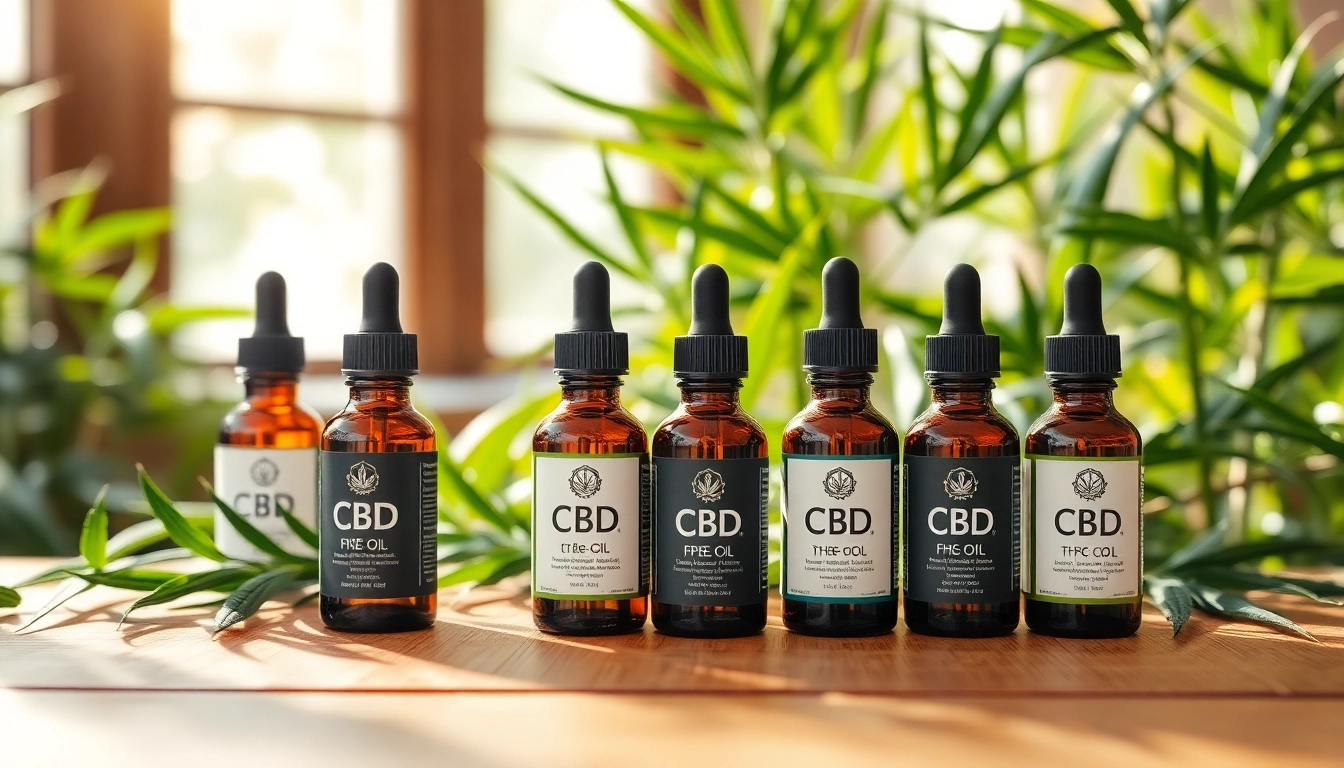
Reading labels and understanding certifications is paramount for consumers seeking THC-free CBD oil. Look for products that feature third-party lab testing, which ensures the oil’s potency and purity. Lab results should indicate zero detectable levels of THC, alongside a breakdown of other cannabinoids present in the oil. Certifications from recognized organizations also add to the credibility of the product, providing assurance that it meets industry standards for quality and safety.
Evaluating Product Quality and Potency
The quality and potency of THC-free CBD oil directly affect its effectiveness. Consumers should look for oils that clearly outline their CBD concentration, typically expressed in milligrams per milliliter. Additionally, consider the product’s overall ingredient profile, avoiding those that contain artificial additives or fillers. Assessing reviews and anecdotal evidence from other users can also provide valuable insights into the product’s effectiveness, helping prospective buyers make informed choices.
How to Incorporate THC-Free CBD Oil into Your Routine
Different Ways to Use THC-Free CBD Oil
THC-free CBD oil offers flexibility in usage, allowing individuals to select methods that best suit their lifestyles. One common approach is sublingually, where users place oil under the tongue to facilitate rapid absorption into the bloodstream. Another method involves incorporating the oil into food and beverages, offering a more enjoyable way to consume CBD.
Additionally, topical applications allow users to target specific areas, such as sore joints or muscles, providing localized relief. The versatility of THC-free CBD oil enables users to experiment and find what works best for their personal preferences and health goals.
Recommended Dosage Guidelines
Determining the right dosage of THC-free CBD oil is highly individualized, as factors such as body weight, metabolism, and the condition being addressed can all play a role. A commonly recommended starting dose is 10 to 20 mg of CBD per day. From there, users can gradually increase their intake based on their needs and the effectiveness of the oil. It’s essential to consult with healthcare professionals when incorporating any new supplement into a health regimen, particularly for those with pre-existing conditions or those taking medications.
Monitoring Effects and Adjustments
As individuals begin using THC-free CBD oil, careful monitoring of effects will help determine its effectiveness. Keep a journal to track daily dosages, side effects, and any changes in symptoms. This documentation can provide insights over time and help in making necessary adjustments to the dosage or method of consumption. If any adverse effects arise, it’s best to consult a healthcare professional to ensure safety and optimize the benefits of CBD.
Common Myths and Questions About THC-Free CBD Oil
Is THC-Free CBD Oil Really Effective?
Yes, many individuals have found THC-free CBD oil effective in managing various health conditions, including anxiety, pain, and sleep disturbances. Individual experiences may vary, so it is essential to consult healthcare providers for tailored advice.
Can I Fail a Drug Test While Using THC-Free CBD Oil?
THC-free CBD oil typically does not show up on drug tests. However, always confirm with the product’s lab results to ensure no detectable THC levels are present, as manufacturing inconsistencies may occur.
Is THC-Free CBD Oil Suitable for Everyone?
THC-free CBD oil is generally suitable for most individuals, including those who are sensitive to THC or are subject to drug testing. However, consult a doctor, especially if pregnant, nursing, or taking medications.
What are the side effects of THC-Free CBD Oil?
While THC-free CBD oil is well-tolerated, some individuals may experience side effects such as fatigue, changes in appetite, or digestive disturbances. Monitoring your body’s response is key.
How long does it take for THC-Free CBD Oil to work?
The time it takes for THC-free CBD oil to produce effects varies based on the method of consumption. Sublingual applications may show effects within 15-30 minutes, while edibles may take 1-2 hours.