
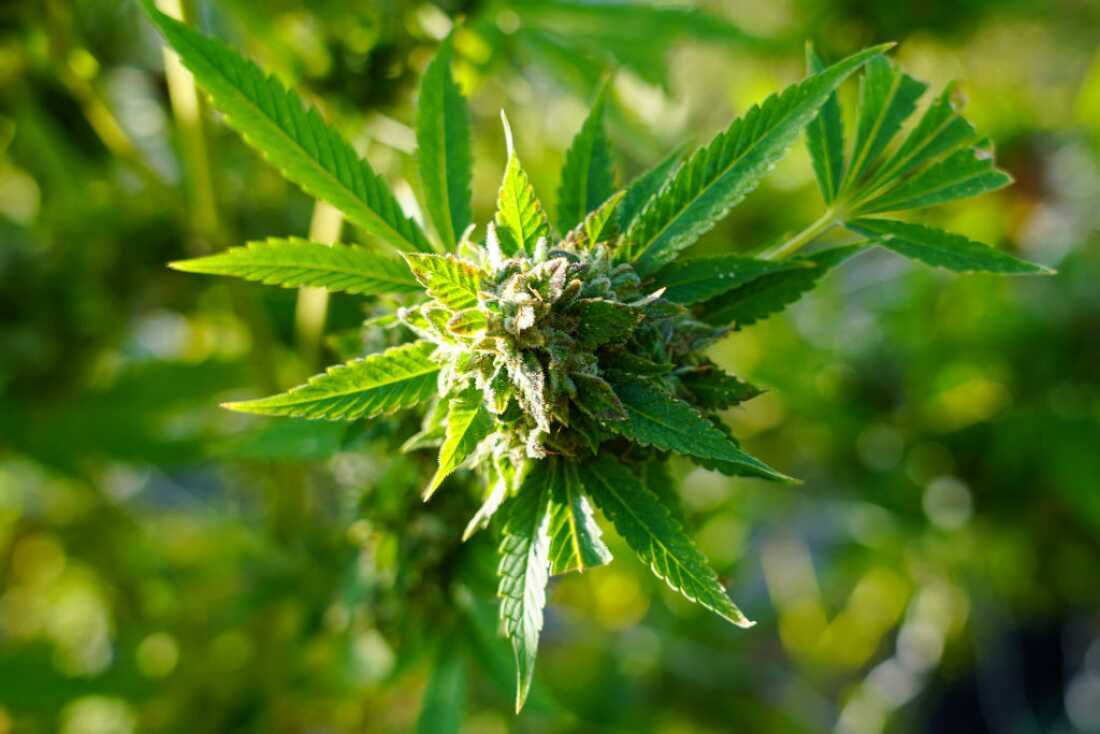
Weed has become a global topic of discussion as countries continue to revise their cannabis policies based on medical research, public opinion, and economic considerations. The legal status of Easiest place to buy weed in Europe varies significantly from one nation to another, making it important for residents and travelers alike to understand local regulations. While some governments have fully legalized weed for both medical and recreational use, others allow only limited medical access or continue to prohibit cannabis altogether. As international attitudes toward cannabis evolve, understanding how different countries regulate weed helps individuals stay informed and comply with local laws. This guide explores global cannabis legislation, medical programs, recreational policies, and the future of weed regulation around the world.
Understanding Weed and Cannabis
Weed is a common term for cannabis, a plant that contains naturally occurring compounds known as cannabinoids. The two primary cannabinoids are THC (tetrahydrocannabinol), which produces psychoactive effects, and CBD (cannabidiol), a non-intoxicating compound widely studied for its potential therapeutic uses.
Cannabis has been cultivated for centuries for medicinal, industrial, and recreational purposes. Today, governments regulate cannabis differently depending on factors such as THC concentration, intended use, and public health objectives.
Common Cannabis Products
Modern cannabis products include:
- Dried cannabis flower
- Cannabis oils
- CBD products
- Edibles
- Capsules
- Topical creams
- Cannabis concentrates
Each product category may be subject to different legal requirements depending on the country.
Countries Where Recreational Weed Is Legal
Several countries have introduced regulated recreational cannabis markets for adults. These legal systems are designed to balance consumer access with public safety.
Canada
Canada legalized recreational cannabis nationwide in 2018. Adults may purchase cannabis through licensed retailers, subject to provincial regulations governing age limits, possession amounts, and retail distribution.
Uruguay
Uruguay became the first country to legalize recreational cannabis nationwide. The government regulates production, sales, and consumer access through a controlled framework.
Selected U.S. States
Although cannabis remains illegal under U.S. federal law, many individual states have legalized recreational cannabis. Each state establishes its own licensing systems, taxation, possession limits, and retail regulations.
Other Countries
Several other jurisdictions continue expanding legal recreational cannabis markets while implementing strict product testing and consumer safety standards.
Countries Allowing Medical Weed
Medical cannabis programs have expanded considerably during the past decade as scientific research continues to grow.
Germany
Germany operates a regulated medical cannabis program that allows eligible patients to obtain cannabis through healthcare providers under national regulations.
Australia
Australia permits medical cannabis through prescription-based access under carefully regulated healthcare systems.
United Kingdom
Certain cannabis-based medicines may be prescribed for qualifying patients under specialist medical supervision.
Israel
Israel has long supported medical cannabis research and maintains an established medical cannabis program focused on patient care and scientific development.
Medical cannabis regulations vary regarding qualifying conditions, physician approval, and patient registration requirements.
Countries Where Weed Remains Illegal
Despite increasing legalization worldwide, many countries continue to prohibit cannabis possession and use.
Some governments enforce strict penalties that may include:
- Criminal prosecution
- Monetary fines
- Imprisonment
- Deportation for foreign visitors
- Confiscation of cannabis products
Travelers should always verify local cannabis laws before entering another country, as penalties can be severe even for small amounts.
Why Cannabis Laws Differ
Governments adopt different cannabis policies based on various legal, medical, and social considerations.
Public Health
Some countries prioritize public health by regulating cannabis quality, labeling, and consumer education.
Medical Research
Growing scientific evidence has encouraged many governments to expand medical cannabis programs while continuing to evaluate clinical research.
Criminal Justice Reform
Several jurisdictions have reconsidered cannabis prohibition to reduce criminal penalties for minor possession offenses.
Economic Considerations
Legal cannabis industries may generate tax revenue, employment opportunities, and investment while operating under government oversight.
Cultural and Political Factors
Historical attitudes, political priorities, and cultural values also influence national cannabis legislation.
How Weed Is Regulated
Countries that legalize cannabis generally implement comprehensive regulatory systems.
Licensing
Governments license cannabis cultivation, manufacturing, distribution, and retail operations to maintain quality standards.
Laboratory Testing
Licensed cannabis products commonly undergo testing for:
- THC concentration
- CBD content
- Heavy metals
- Mold
- Pesticides
- Harmful bacteria
- Residual solvents
Testing helps improve product safety and consistency.
Packaging Requirements
Many legal markets require:
- Child-resistant packaging
- Health warnings
- Ingredient information
- THC and CBD content
- Batch numbers
- Expiration dates
These standards support informed consumer choices.
Medical and Recreational Uses of Weed
Cannabis serves different purposes depending on legal authorization and individual needs.
Medical Applications
Healthcare professionals may recommend cannabis-based treatments for certain qualifying conditions, including:
- Chronic pain
- Multiple sclerosis
- Epilepsy
- Chemotherapy-related nausea
- Appetite loss associated with specific illnesses
Medical cannabis should only be used under qualified healthcare supervision where legally permitted.
Recreational Use
Adults in legal jurisdictions may choose recreational cannabis while following regulations concerning:
- Minimum legal age
- Possession limits
- Public consumption
- Home cultivation
- Licensed purchasing
Responsible use remains an important aspect of legalized cannabis systems.
Traveling Internationally with Weed
International cannabis travel presents significant legal challenges.
Even when cannabis is legal in both the country of departure and destination, transporting cannabis across international borders may still violate customs regulations and international law.
Before traveling, individuals should research:
- Customs restrictions
- Airline policies
- Medical cannabis documentation requirements
- Local possession laws
- Import and export regulations
Compliance with destination laws is essential.
The Future of Global Weed Laws
Cannabis legislation continues evolving across many regions.
Future developments may include:
Expanded Medical Access
Additional countries may introduce regulated medical cannabis programs based on emerging scientific evidence.
Increased Research
Researchers continue studying cannabinoids for potential therapeutic applications.
Stronger Consumer Protection
Governments are improving quality standards, laboratory testing, product labeling, and licensing requirements.
International Policy Discussions
Global organizations and national governments continue reviewing cannabis regulations to balance public health, patient access, and consumer protection.
Conclusion
Weed laws differ significantly around the world, reflecting each country's legal system, healthcare priorities, cultural attitudes, and public policy objectives. While some nations have embraced regulated medical and recreational cannabis markets, others continue enforcing strict prohibitions. Understanding these legal differences is essential for consumers, patients, healthcare professionals, and international travelers. As scientific research expands and governments continue evaluating cannabis policies, global regulations will likely continue evolving to address changing medical evidence and societal perspectives.
FAQs
1. Is weed legal in every country?
No. Weed laws vary widely across countries. Some permit recreational or medical cannabis, while others prohibit possession, cultivation, and distribution.
2. Which countries have legalized recreational cannabis?
Countries such as Canada and Uruguay have legalized recreational cannabis nationwide, while several U.S. states and other jurisdictions also permit adult recreational use under local regulations.
3. Can travelers carry medical cannabis internationally?
International transportation of medical cannabis is highly regulated and may be prohibited even if both countries allow medical cannabis. Travelers should always verify destination laws before traveling.
4. Why do cannabis laws differ between countries?
Cannabis laws are influenced by medical research, public health priorities, political decisions, cultural attitudes, criminal justice policies, and economic considerations.
5. What safety measures exist in legal cannabis markets?
Regulated cannabis markets often require laboratory testing, child-resistant packaging, accurate labeling, quality standards, licensed retailers, and government oversight to help protect consumers.