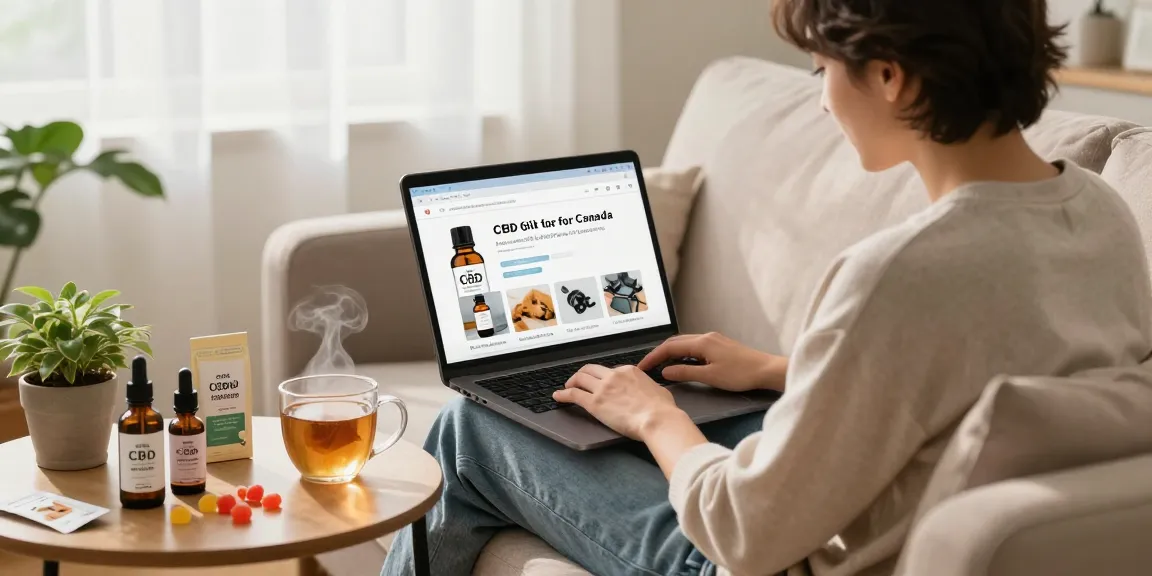
Understanding CBD Oil: What You Need to Know
As more Canadians explore natural alternatives for health and wellness, CBD oil has gained significant attention. Derived from the hemp plant, cannabidiol (CBD) is a non-psychoactive compound that offers a range of potential benefits without the "high" associated with THC. For those looking to enhance their well-being, understanding CBD oil is crucial. In this guide, we will delve into the workings of CBD in the body, the differences between full-spectrum and THC-free oils, and the legal landscape surrounding CBD use in Canada. When exploring options, cbd oil for sale canada can be a valuable resource for quality products.
What is CBD and How It Works in the Body?
CBD, short for cannabidiol, is one of over 100 cannabinoids found in cannabis plants. Unlike its more famous cousin THC (tetrahydrocannabinol), CBD does not produce psychoactive effects. Instead, it interacts with the body's endocannabinoid system (ECS), which plays a role in regulating various physiological processes, including pain, mood, and immune responses. By binding to cannabinoid receptors, CBD may help promote homeostasis, supporting overall wellness.
Full Spectrum vs. THC-Free CBD Oil: What's Best for You?
When it comes to choosing a CBD oil, understanding the difference between full-spectrum and THC-free options is essential. Full-spectrum CBD oil contains a variety of cannabinoids, including trace amounts of THC (up to 0.3% in Canada), flavonoids, and terpenes, which work synergistically to enhance the oil's effects—a phenomenon known as the entourage effect. On the other hand, THC-free products are ideal for those who wish to avoid THC altogether. Each type has its benefits, and the choice ultimately depends on individual preferences and health goals.
Legality and Safety of CBD in Canada: An Overview
In Canada, CBD products derived from hemp are legal and can be purchased for personal use under the Cannabis Act, provided the user is at least 19 years old (or 18 in Alberta and Quebec). All CBD products must comply with Health Canada's regulations, ensuring they are safe and properly labeled. Consumers should look for products that have undergone third-party lab testing to confirm their purity and potency.
Finding Quality CBD Oil for Sale Canada: A Buying Guide
With a plethora of options available, finding high-quality CBD oil for sale in Canada can be overwhelming. Prioritizing quality is crucial to ensure you are getting effective products. Here are some key factors to consider when purchasing CBD oil.
Identifying Lab-Tested Products and Certifications
Before making a purchase, always check if the CBD oil has been third-party lab tested. This testing ensures that the product contains the stated amount of CBD and is free from harmful substances such as heavy metals and pesticides. Look for a certificate of analysis (COA) from the manufacturer, which provides transparency and reassurance regarding the product's quality.
Where to Buy CBD Oil: Online vs In-Store Options
Consumers can choose between online retailers and local dispensaries when buying CBD oil. Online shopping often provides a broader selection, including access to reviews and more detailed product information. On the other hand, local dispensaries may offer the opportunity to ask questions and see products in person. Regardless of the method, ensure that you are purchasing from a reputable source with positive customer reviews.
Reading Labels: Understanding Ingredients and Potency
When reviewing CBD oil labels, pay attention to the list of ingredients, potency, and serving sizes. This information helps you gauge whether the product aligns with your needs. A product labeled as "full-spectrum" should contain other cannabinoids and terpenes, while a "THC-free" label guarantees no detectable THC levels. Understanding these elements can aid in making an informed choice.
Health Benefits of CBD Oil: What the Research Shows
Extensive research has highlighted several potential health benefits of CBD oil. Here, we explore key areas where CBD may play a notable role in improving well-being.
CBD for Anxiety and Stress Relief: Evidence-Based Insights
Studies have shown that CBD may help alleviate symptoms of anxiety and stress. By interacting with the serotonin receptors in the brain, CBD could promote a sense of calm and relaxation. A review published in the journal Neurotherapeutics found that CBD demonstrated anti-anxiety properties in both animal and human studies, making it a promising option for those struggling with these issues.
Using CBD for Sleep: Natural Solutions for Sleep Disorders
For those with sleep disorders, CBD offers potential as a natural sleep aid. Research indicates that CBD can impact sleep architecture, increasing total sleep time while reducing instances of waking throughout the night. Several studies suggest that CBD may improve overall sleep quality and decrease insomnia, making it a convenient alternative to traditional sleep medications.
The Potential of CBD for Pain Relief and Inflammation
CBD is gaining recognition for its potential in managing chronic pain and inflammation. Research suggests that CBD may exert anti-inflammatory effects by interacting with the body's endocannabinoid system. Conditions like arthritis and fibromyalgia, which involve inflammation and pain, may see improvement with regular use of CBD oil.
Incorporating CBD Oil into Your Daily Routine
Integrating CBD oil into your daily routine can enhance your wellness journey. Here are some effective strategies to maximize its benefits.
Recommended Dosages for Different Needs
Finding the right dosage of CBD oil is crucial for achieving desired results. While individual needs vary, starting with a low dose and gradually increasing it is advisable. Many products provide dosage guidelines based on body weight and desired effects. Keeping a journal of your experience can help you determine the ideal dosage over time.
Creative Ways to Use CBD Oil: Beyond Sublingual Applications
While sublingual drops are common, there are various innovative ways to incorporate CBD oil into your routine. Consider adding it to smoothies, salad dressings, or even baked goods. Additionally, topical applications like creams and balms can target specific areas of discomfort, offering localized relief.
Combining CBD with Other Wellness Practices
CBD can complement other wellness practices effectively. Many users find benefits by combining CBD with mindfulness techniques such as yoga and meditation. This synergy may enhance relaxation while promoting holistic well-being.
FAQs About CBD Oil for Sale Canada
As CBD oil continues to gain popularity, many questions arise regarding its use, safety, and legality. Here are some frequently asked questions to clarify common concerns.
Is CBD Oil Legal to Purchase in Canada?
Yes, CBD oil is legal to purchase in Canada as long as it meets the standards set forth by Health Canada. Consumers must be 19 years of age or older (18 in Alberta and Quebec) to buy CBD products without a prescription.
Can CBD Oil Be Used for Pets? What You Should Know?
Yes, many pet owners are now exploring CBD oil as a potential treatment for their furry companions. CBD formulated specifically for pets can help manage anxiety, joint pain, and other issues. Always consult your veterinarian before starting your pet on CBD to ensure safety and appropriate dosing.
What Are the Side Effects of CBD Oil?
CBD is generally well-tolerated, but some individuals may experience side effects such as fatigue, diarrhea, or changes in appetite. It is essential to monitor your body's response to CBD and consult a healthcare professional if you experience any adverse effects.
How Long Does It Take for CBD Oil to Work?
The onset of effects can vary depending on the method of consumption. Sublingual applications typically produce effects within 15 to 45 minutes, while edibles may take longer to kick in. Individual factors such as metabolism also play a role in how quickly CBD takes effect.
How to Talk to Your Doctor About Using CBD Oil?
It’s important to be open with your healthcare provider about your interest in using CBD oil, especially if you are taking other medications. Discussing your mental and physical health needs allows for a more personalized approach to your treatment plan.