
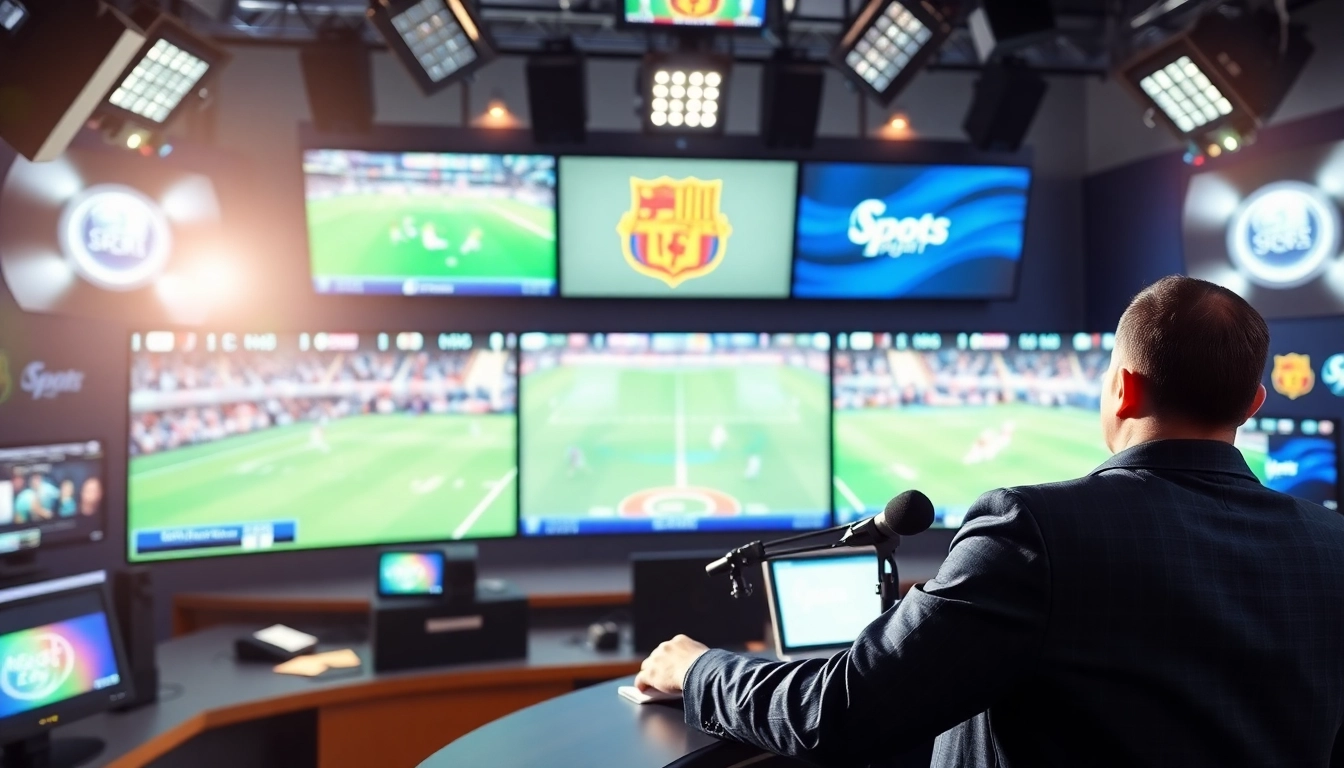
Understanding Sports Broadcasting
Definition and History
Sports Broadcasting is a sector within the media industry focused on the live coverage of sporting events. This practice dates back to the early 20th century. The first sport broadcasted on radio was a baseball game in 1921, marking the dawn of accessible sports information to fans. Over time, the transition from radio to television radically transformed how audiences experienced sports. The introduction of instant replay and multi-camera angles vastly improved viewer engagement, culminating in today's complex, interactive broadcasting environment.
Importance in Today's Media Landscape
In the current media landscape, Sports Broadcasting plays an invaluable role. It significantly drives advertising revenue, influences public engagement, and shapes cultural narratives. Major sporting events can attract millions of viewers simultaneously, creating unique opportunities for brands. Moreover, social media platforms have redefined fan interaction, allowing them to engage in real-time discussions and share their experiences, enhancing their connection to the events being broadcasted.
Key Components of Sports Broadcasting
Several components contribute to successful sports broadcasting. Central to this is the production team, including directors, cameramen, and technical staff who work collaboratively to deliver high-quality broadcasts. Another key player is the on-air talent, who not only narrate the action but also enhance the viewing experience through their analysis and commentary. Finally, viewer analytics are vital for understanding audience preferences and habits, which in turn shapes programming and marketing strategies.
Technology in Sports Broadcasting
Current Technologies Used
Todays' sports broadcasting heavily relies on advanced technologies. High-definition cameras capture every detail, while drones provide aerial shots that increase the dynamic nature of coverage. Furthermore, augmented reality (AR) overlays statistics and player graphics onto the broadcast, offering viewers insights in real-time. Mobile applications and streaming services are also critical in allowing fans to watch games on-the-go, catering to a landscape where flexibility is key.
Future Trends in Broadcast Innovation
The future of sports broadcasting is set to undergo even more transformations. One promising trend is the integration of virtual reality (VR), which could create immersive experiences where fans feel as though they are in the stadium. Artificial intelligence (AI) will play a role in personalizing content and enhancing viewer engagement by analyzing preferences to serve tailored recommendations. Additionally, 5G technology will enable faster and more reliable streaming, further amplifying fan interaction during live events.
Challenges in Adopting New Technologies
While technological advancements offer exciting opportunities, they also present challenges. High costs associated with adopting the latest equipment can be prohibitive for smaller broadcasters. Moreover, the pace of technological change necessitates continuous training for personnel, adding an additional layer of complexity. Security concerns are also paramount, particularly regarding streaming content and safeguarding intellectual property from piracy.
Audience Engagement Strategies
Creating Compelling Content
Creating engaging content goes beyond merely broadcasting the game. Broadcasters must invest in pre-game analysis, interviews, and behind-the-scenes content that resonate with fans. Additionally, interactive segments that allow viewers to participate, such as live polls or real-time trivia, can significantly enhance engagement. Storytelling is also crucial; effective narratives surrounding teams and players help build emotional connections with viewers.
Utilizing Social Media for Interaction
Social media has revolutionized how broadcasters engage with audiences. Platforms such as Twitter, Instagram, and Facebook serve as additional channels for real-time interaction. Broadcasters can share highlights, conduct Q&A sessions, and encourage fan-driven content, fostering a sense of community. Engaging with viewers through social media not only enhances the experience during live events but also extends the discussion beyond the broadcast itself.
Enhancing Viewer Experience Through Analytics
Data analytics play a critical role in enhancing the viewer experience. By examining viewer behavior and engagement metrics, broadcasters can tailor their content to better meet the preferences of their audience. Performance data helps in understanding which types of segments retain viewer interest, enabling strategic planning for future broadcasts. In this regard, overlaying analytics with fan engagement creates a richer viewing experience by combining emotional insights with entertainment data.
Legal Aspects of Sports Broadcasting
Copyright and Licensing Issues
The legal landscape is complex for sports broadcasting, particularly regarding copyright and licensing. Broadcasters must secure rights to broadcast specific events, which can be quite costly. Copyright infringement can result in severe penalties, making it essential for broadcasters to be vigilant and informed about the applicable laws governing sports content. Furthermore, new regulations may emerge as technology evolves, requiring continuous legal oversight.
Regulations Affecting Broadcasters
Regulatory bodies oversee the sports broadcasting industry to maintain fair practices and protect viewers’ interests. These regulations often dictate broadcast standards, advertising practices, and viewer rights. Additionally, compliance with guidelines related to content fairness and accessibility ensures that broadcasts are equitable and inclusive, fostering a respectful media environment.
Ethics in Sports Broadcasting
Ethical considerations are paramount in ensuring that the integrity of sports broadcasts is maintained. Broadcasters must avoid sensationalism, especially regarding coverage of sensitive topics such as injuries or crises within teams. Transparency and truthful representation of events are essential for maintaining viewer trust. Furthermore, treating athletes and teams with respect underlines the broadcaster’s role in promoting sportsmanship and fair play.
Measuring Success in Sports Broadcasting
Key Performance Indicators (KPIs)
Measuring success in sports broadcasting relies on various Key Performance Indicators (KPIs). These may include viewer ratings, audience growth, and advertising revenue. Understanding the demographic makeup of the audience is equally crucial, as it informs decisions about sponsorship and marketing strategies. With the proliferation of digital platforms, metrics such as online engagement and social media interaction are coming to the forefront as critical KPIs.
Analyzing Viewer Feedback
Viewer feedback is invaluable for enhancing broadcasts. Gathering insights through surveys, social media comments, and direct interactions can help broadcasters refine their strategies. By diligently analyzing this feedback, broadcasters can identify strengths and weaknesses in their programming and make the necessary adjustments for future events. This iterative process ensures that broadcasts continue to evolve with audience preferences in mind.
Adapting Based on Performance Metrics
Adapting programming based on performance metrics is an ongoing necessity for broadcasters. By staying informed about viewer trends and preferences, broadcasters can pivot their content strategy effectively. This may involve experimenting with different broadcasting styles, scheduling, or diversifying the types of content presented. Embracing flexibility ensures that sports broadcasts remain relevant and engaging.
Frequently Asked Questions
What is Sports Broadcasting?
Sports Broadcasting refers to the distribution of sports events on television, radio, or online platforms. It includes live coverage, commentary, and analysis of sports events.
How has technology changed Sports Broadcasting?
Technology has revolutionized Sports Broadcasting through HD cameras, drones, augmented reality, and mobile streaming, enhancing viewer experience and engagement.
What are the main revenue sources for Sports Broadcasting?
The main revenue sources for Sports Broadcasting include advertising, sponsorship deals, and subscription fees from streaming services or cable networks.
What regulations govern Sports Broadcasting?
Regulations in Sports Broadcasting cover licensing, copyright, advertising standards, and viewer rights to ensure fairness and protection within the industry.
How can broadcasters engage their audiences effectively?
Broadcasters can engage audiences by creating compelling content, utilizing social media for interaction, and using data analytics to tailor experiences to viewer preferences.