
Introduction to CBD and Its Origins
Cannabidiol, commonly known as CBD, is one of the primary compounds found in the cannabis plant. It has gained significant attention for its potential therapeutic benefits, which are increasingly backed by scientific research. Unlike its more famous counterpart, THC (tetrahydrocannabinol), CBD does not produce any psychoactive effects, making it an appealing option for those seeking relief from various ailments without the intoxicating "high" associated with marijuana. The escalating interest in CBD spans both the health and wellness sectors, leading to a surge in product offerings ranging from oils and edibles to topical applications.
What is CBD?
CBD is one of over 100 cannabinoids found in the cannabis plant and has been the subject of extensive research regarding its possible health benefits. Biologically, it interacts with the body’s endocannabinoid system (ECS), which plays a crucial role in maintaining homeostasis. The ECS comprises a network of receptors that regulate functions such as sleep, mood, appetite, and pain sensation. When CBD is introduced into the body, it binds with these receptors, potentially promoting balance and alleviating various symptoms. Moreover, CBD is derived primarily from industrial hemp, which contains low levels of THC (below 0.3%), ensuring that it remains within legal parameters and is non-intoxicating.
History of CBD Use
The history of CBD is intertwined with the broader narrative of cannabis. While cannabis has been utilized for medicinal purposes for thousands of years, CBD started to garner attention in the modern age during the 20th century. Its rise to prominence began in the 1940s when Dr. Roger Adams became one of the first researchers to isolate CBD. The 2010s marked a pivotal moment when families, particularly those of children with severe epilepsy, sought CBD oil to manage symptoms. The push for legislation supporting CBD research was magnified by stories emerging from the medical community, showcasing its efficacy for conditions like Dravet syndrome. In 2018, the passage of the Farm Bill in the United States further catalyzed the market's growth, legalizing hemp-derived CBD derived products.
How CBD is Extracted
The extraction of CBD from the cannabis plant can be achieved through various methods, each with its advantages and disadvantages. The most common extraction methods include:
- CO2 Extraction: This method is widely regarded as one of the most effective and safest approaches. It uses carbon dioxide at high pressures to extract CBD and other cannabinoids while preserving their purity. The CO2 extraction produces clean, high-quality oil but requires expensive equipment.
- SOLVENT Extraction: Using solvents like ethanol or butane, this method dissolves the cannabinoids and other plant compounds. While effective, it requires additional purification steps to remove residual solvents.
- OIL Infusion: One of the oldest methods, this involves infusing a carrier oil (like olive oil) with cannabis. It is simple and safe, but it may not yield as potent an extract as CO2 extraction.
- WATER Extraction: This method uses steam to separate CBD from plant matter and is gaining popularity due to its emphasis on eco-friendliness. However, it may not extract as efficiently as CO2 extraction.
Once extracted, the CBD can be further refined into various forms - from isolates to full-spectrum oils, which contain a range of cannabinoids, terpenes, and other beneficial compounds.
Health Benefits of CBD
CBD's versatility in addressing numerous health concerns highlights its potential as a beneficial addition to both preventive and therapeutic health care practices. Although research is still ongoing, various studies have documented the therapeutic effects of CBD across a wide spectrum of physical and mental health issues.
Potential Therapeutic Uses
Research into CBD has revealed a variety of potential therapeutic uses. These include:
- Chronic Pain Relief: Numerous studies indicate that CBD may alleviate chronic pain through its anti-inflammatory properties by interacting with neurotransmitters.
- Anti-seizure Properties: The strongest evidence supporting CBD’s efficacy lies in reducing seizure frequency in certain types of epilepsy, particularly in treatment-resistant conditions like Dravet syndrome.
- Anti-inflammatory Effects: CBD can potentially mitigate inflammation and may offer therapeutic benefits for autoimmune diseases and chronic inflammation.
- Management of Neurological Disorders: There is promising research suggesting that CBD may assist in treating neurodegenerative diseases such as multiple sclerosis and Alzheimer’s disease by protecting neurons and enhancing neurogenesis.
CBD and Mental Health
A growing body of literature emphasizes the potential of CBD in mental health management. Some key areas of interest include:
- Anxiety Reduction: Animal studies and preliminary human trials have shown that CBD may reduce anxiety in individuals diagnosed with social anxiety disorder and post-traumatic stress disorder (PTSD).
- Antipsychotic Effects: Research indicates that CBD may possess antipsychotic properties, making it a potential treatment option for individuals with schizophrenia.
- Depression Management: Some studies suggest that CBD has mood-balancing properties that could aid in alleviating symptoms of depression through its interaction with serotonin receptors.
Although CBD shows promise in these areas, it is crucial to emphasize the need for further research to better understand its long-term effects on mental health.
Physical Health Benefits
While the mental health benefits of CBD attract significant attention, numerous studies have highlighted its physical health advantages, including:
- Heart Health: Some research indicates that CBD may promote heart health by reducing blood pressure and alleviating inflammation.
- Skin Health: Preliminary research has shown that CBD may exhibit anti-inflammatory properties beneficial for treating conditions like acne and eczema.
- Bone Health: Some studies suggest that CBD may assist in the healing process of fractured bones through promoting bone density.
As more research unfolds, the scope of CBD's effects on physical health continues to broaden, leading to new insights and possible avenues for treatment.
Understanding CBD Products
The diversity of CBD products on the market today can be overwhelming, making it essential for consumers to understand the available options and quality markers to consider when choosing CBD products.
Types of CBD Products
CBD is available in various forms, catering to different preferences and lifestyles. Here are some of the most common types of CBD products:
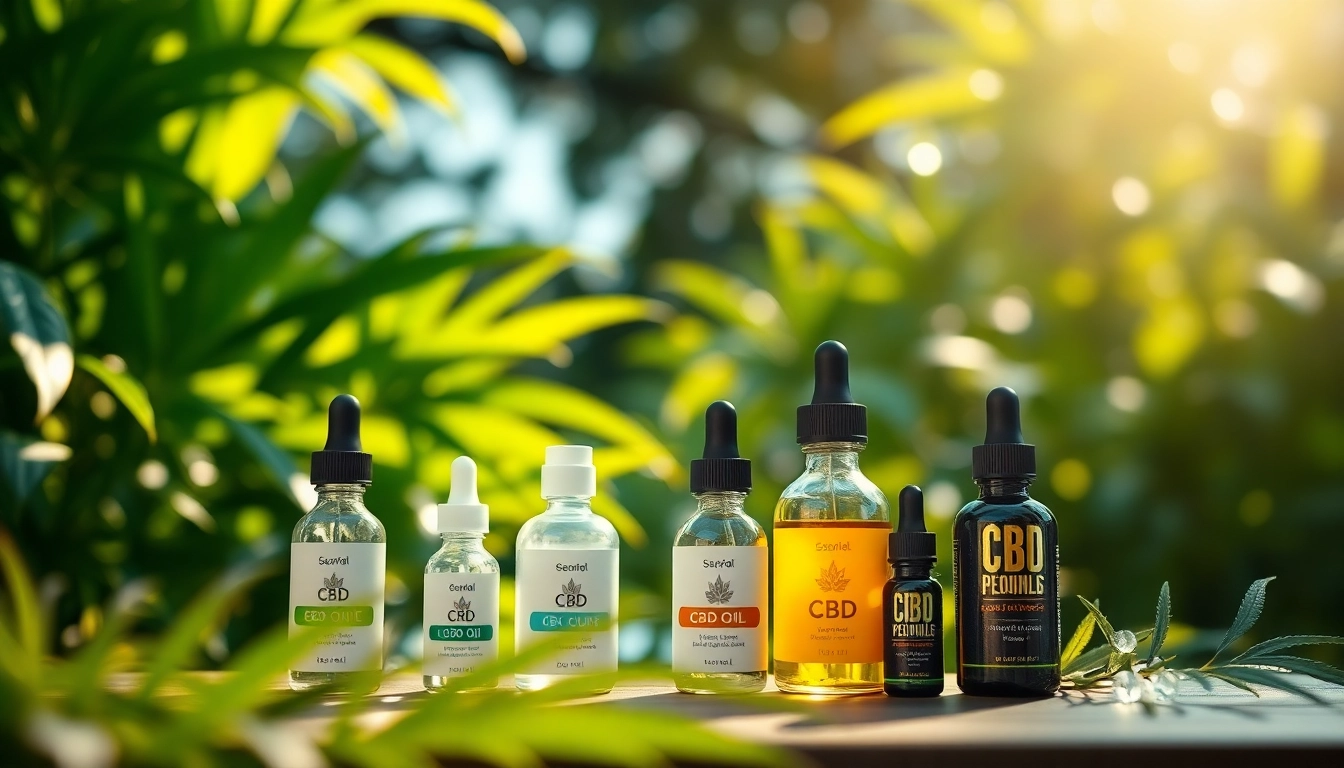
- CBD Oil/Tinctures: CBD oil is among the most popular forms, available in dropper bottles and often taken sublingually for fast absorption.
- CBD Edibles: Gummies, chocolates, and beverages infused with CBD offer an enjoyable way to consume CBD, although they may require longer for effects to become noticeable.
- Topicals: CBD creams and salves are formulated for direct skin application, targeting localized discomfort or inflammation.
- Capsules and Softgels: These provide a convenient and tasteless way to consume CBD, with standardized dosing.
- Vape Products: CBD vape oils and cartridges deliver cannabinoids through vapor inhalation, promoting rapid effects.
Choosing Quality CBD
When selecting CBD products, several factors can help identify quality and efficacy:
- Source of Hemp: Always confirm that the hemp used to produce CBD is sourced from a reputable, organic supplier.
- Third-Party Lab Testing: Ensure that products have been tested by independent laboratories, providing transparency regarding cannabinoid content and the absence of contaminants.
- Extraction Method: Look for products that utilize CO2 extraction, as this method ensures purity and quality.
- Full-Spectrum vs. Isolate: Consider the type of CBD product. Full-spectrum products contain multiple cannabinoids, while isolates contain only CBD, which may provide different effects.
Considering these factors can significantly influence a consumer’s experience and outcomes with CBD products.
Dosage and Administration
Dosing CBD is not an exact science, as effective amounts can vary based on individual factors such as body weight, metabolism, and the condition being treated. Here are some guidelines to consider:
- Start Low and Go Slow: Beginners should start with a low dose and gradually increase it until the desired effects are achieved.
- Monitor Effects: Keeping a journal of dosages and effects can assist in determining optimal amounts for ongoing use.
- Consult Healthcare Professionals: Always consult with a healthcare provider, especially if taking other medications or reviewing CBD for particular health conditions.
Legal Aspects of CBD
The legal landscape surrounding CBD is evolving rapidly, shaped by state and federal regulations. Understanding the legal status of CBD is crucial for consumers and businesses alike.
Regulations in the US
In the United States, the legal status of CBD is largely dictated by the source of the product. The 2018 Farm Bill legalized hemp-derived CBD at the federal level, provided that it contains less than 0.3% THC. Nevertheless, individual states have the authority to create their own regulations, meaning that the legality can vary significantly by location. Some states have embraced CBD, allowing it to be sold freely; others maintain strict regulations or have not yet established comprehensive legal frameworks.
International CBD Laws
Globally, the legal status of CBD can be quite disparate. In countries like Canada and many European nations, CBD is widely accepted and legal. Meanwhile, some countries classify CBD in a manner akin to THC, creating barriers for legal sale and consumption. Consumers traveling with CBD must be hyper-aware of local laws to avoid unintended legal complications.
Effects of Legalization
The legalization of CBD has opened avenues for further research and consumer access. The ability to purchase CBD products legally has encouraged the growth of a new industry, fostering innovation and the development of diverse product lines. However, it has also led to concerns regarding quality control and misleading marketing, prompting calls for more stringent regulations to ensure safety and efficacy in CBD products.
Myths and Misconceptions about CBD
The surge in popularity of CBD has brought with it numerous myths and misconceptions. Addressing these is essential for educating consumers and promoting informed choices.
Debunking Common Myths
Several myths surrounding CBD persist, including:
- Myth 1: CBD gets you high. Fact: Unlike THC, CBD is non-psychoactive and does not produce a high.
- Myth 2: All CBD products are the same. Fact: Quality, extraction methods, and cannabinoid profiles can differ significantly between products.
- Myth 3: CBD has no side effects. Fact: While generally well-tolerated, CBD can cause side effects such as fatigue or changes in appetite in some users.
Cautions and Side Effects
Caution is warranted when using CBD, as it can interact with certain medications. Side effects, while not common, may include:
- Dry mouth
- Fatigue or drowsiness
- Diarrhea
- Changes in appetite or weight
It is essential for individuals to consult a healthcare provider before incorporating CBD, particularly for those with underlying health conditions or who are pregnant or breastfeeding.
Safe Use Practices
To ensure safe use of CBD, consumers should keep the following practices in mind:
- Thoroughly research products and brands before purchasing.
- Begin with a low dosage and monitor for any side effects.
- Be aware of the legal status in your area regarding CBD usage.
- Consult a healthcare professional for personalized guidance.
By adhering to these practices, users can optimize their experience and harness the potential benefits of CBD with confidence.